

He's trying to stay in the timeline where his daughters are still alive. She's writing the novel that might erase him.
The clues to which timeline is real are scattered across the others.
Charlottesville, 1978. Physicist Adam Kiteman loses a Friday. Not forgotten. Gone, the edges sealed.
Then the ticking starts, and his twin daughters begin to flicker. In some versions they are five. In others, teenagers. In a few, gone. There is exactly one branch where they grow up, and it is the one where he doesn’t live to see it.
Ithaca, 2014. June Jenson hauls an old Remington up to the room where unfinished things go to wait, and begins a novel about a physicist who can hear time revising itself.
The more faithfully she writes him, the faster he comes apart.
And somewhere, counting backward, a nameless man the hospitals call AK.
It doesn’t announce its strangeness. It unsettles quietly. A novel about the cost of holding on.
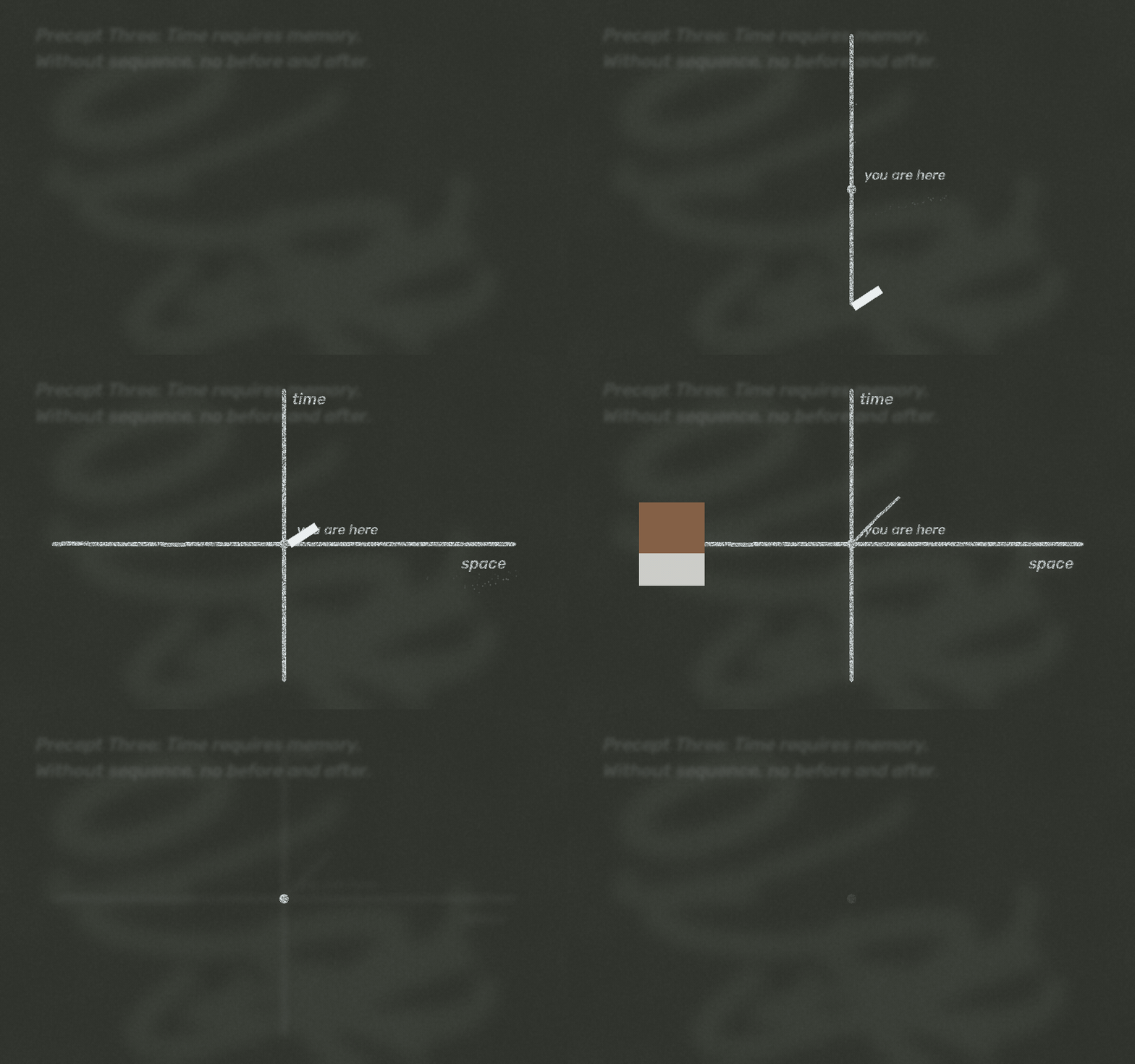
June Jenson, cognitive scientist and one of the people inside the novel, posts from the book on Instagram.
Agents and editors: the manuscript is complete. Marissa.ericson@gmail.com
Let's write it. Ghostwriting, coaching and manuscript help from someone who has written books under other people's names for twenty years, and has just taken her own novel through sixteen drafts.
You have a draft. You need honest eyes on it.
You're in the middle of it, and the middle is long.
The book is done. Now it has to get through the door.
You have the book in you, and not the time to get it out.
I've spent two decades inside other people's voices, across nonfiction and fiction. The scientist in me finds the structure. The novelist finds the scene. You keep the byline.
I hold a Ph.D. in clinical neuroscience, so I can sit with a researcher and turn twenty years of findings into chapters a stranger wants to read. I've spent fifteen years as a test writer, application reader and mentor, so I know how a reader decides, fast, whether to keep going.
And I've just been through it myself, with a novel I began as a college senior. I know exactly what the middle of a book feels like.
I study how consciousness emerges from the dialogue between brain and body, and I've been the statistician on research from breast cancer equity to urology. Every paper below links to the full text.
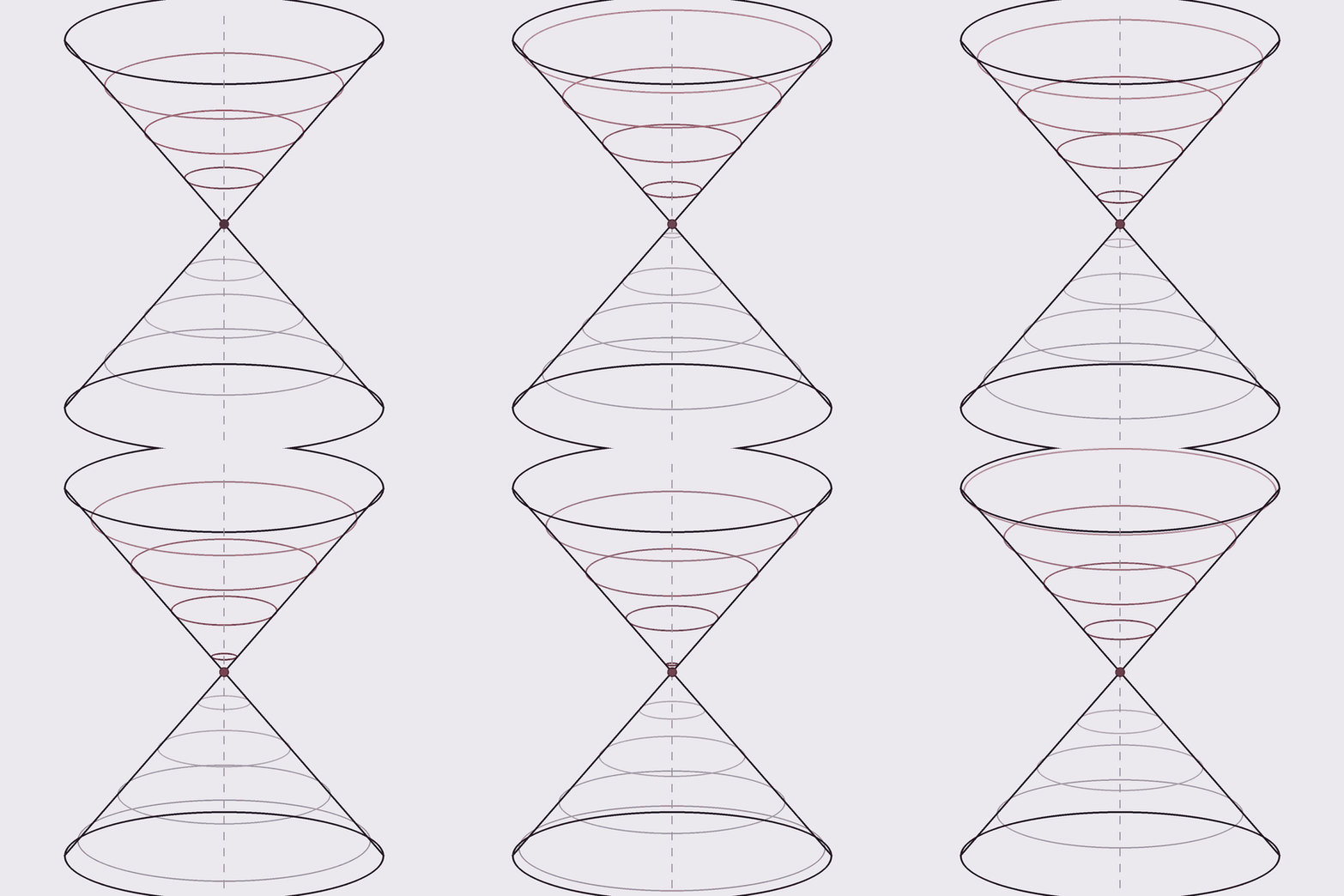
Neuroscience of Consciousness, 2026
PsyArXiv, 2025
SSRN preprint, 2025
Frontiers in Human Neuroscience, 2022
Frontiers in Human Neuroscience, 2022
Perspectives on Psychological Science, 2022
Frontiers in Human Neuroscience, 2024
Psychology of Consciousness, 2023
Int. J. Environmental Research and Public Health, 2025
Scientific Reports, 2024
Int. Journal of Behavioral Medicine, 2024
J. Oncology Navigation & Survivorship, 2023
Journal of Thoracic Disease, 2023
American Journal of Men's Health, 2020
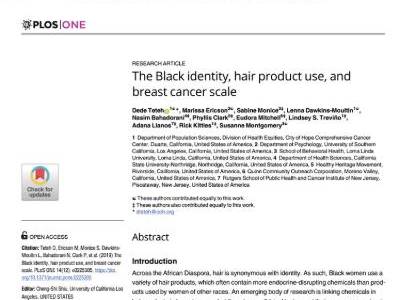
PLOS One, 2019
JAAD International, 2026
J. Stroke and Cerebrovascular Diseases, 2025
The Journal of Urology, 2025
Journal of Endourology, 2025
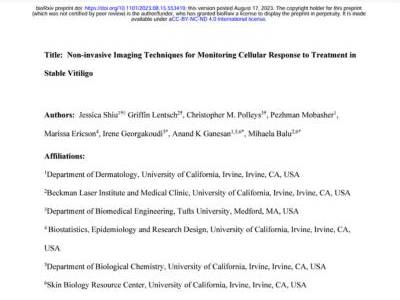
Journal of Investigative Dermatology, 2024
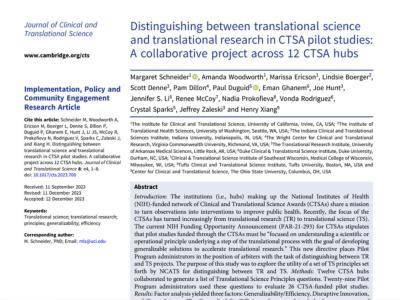
J. Clinical and Translational Science, 2024
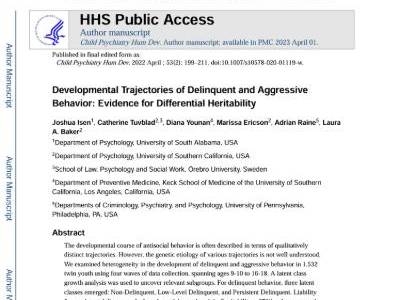
Child Psychiatry and Human Development, 2022
JAMA Psychiatry, 2014
Behavior Genetics, 2011
Psychological Medicine, 2011
Ph.D. dissertation, USC, 2011
Cancer Research (SABCS abstract PO2-25-09), 2024
Annals of Behavioral Medicine (poster), 2024
Cancer Research (SABCS abstract PD8-07), 2023
Cancer Research (SABCS abstract P6-05-39), 2023
Cancer Epidemiology, Biomarkers & Prevention (abstract PO-043), 2022
APHA Annual Meeting, 2021
Cancer Epidemiology, Biomarkers & Prevention (abstract A044), 2020
Behavior Genetics (abstract), 2011
Behavior Genetics (abstract), 2009
Behavior Genetics (abstract), 2009
Behavior Genetics (abstract), 2008
University of Southern California, 2008
More than 25 years of test prep and college admissions. Over a thousand students, from sixth grade through college, through the SAT, the ACT and the essays that come after.
SAT or ACT? When to test? Whether to test at all?
Not knowing where to start is where most families start.
We'll sort it out together in a free first conversation, then build a plan around your student, not a template.
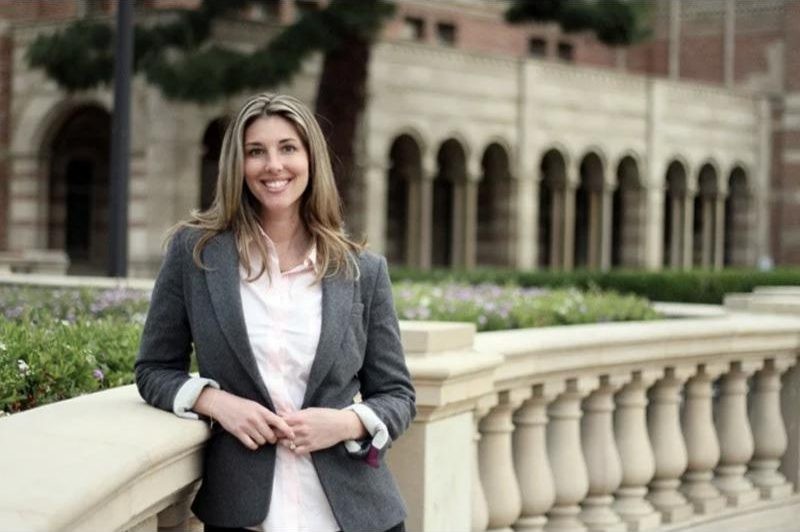
Calm and resilience that hold up in the testing room, and everywhere after it.
Marissa.ericson@gmail.com
A neuroscientist who writes novels, and a novelist who reads data.
I studied neuroscience and comparative literature at Cornell, and I've kept one foot in each ever since.
My Ph.D. is in Clinical Neuroscience and Quantitative Psychology from USC, where I studied the neural basis of schizophrenia with EEG and event-related potentials. I taught as a university professor. Today I'm a Principal Statistician at UC Irvine, a research collaborator with the META Lab at UC Santa Barbara on brain-body synchrony and consciousness, Research Director for the EpiEnergetics foundation, and Fractional Head of Product at tapouts, a children's wellness platform.
For twenty years I've also been a ghostwriter, for memoirists, executives, wellness authors and thought leaders. I've mentored more than a thousand students and worked as a test writer, college interviewer and application reader.
I'm a mother of three. The Tickering is my first novel under my own name, two more books are underway, and I write every week on Substack.






Fiction, motherhood and the brain-body, written weekly in bursts by someone with three kids, two books in progress and no spare time.
Marissa.ericson@gmail.com
ATLAS had once called chalk old dust, back when she was barely four and believed everything had a previous life. He'd told her gently, “It's limestone,” but she'd whispered to her sister anyway:“It's the bones of clouds.”
 ATLASALICE
Dr. Marissa Ericson is a neuroscientist, data scientist, ghostwriter, editor, and professor of Quantitative Science, Neuroscience, and Cognitive Psychology. She received her Ph.D. in Clinical Neuroscience from the University of Southern California ('11) and B.A. from Cornell University ('00). She is the Custodian (C) of The Tickering.
Her research and academic work can be found here.
Full bio here.
He'll hug her as many times as she needs, especially if she forgets.
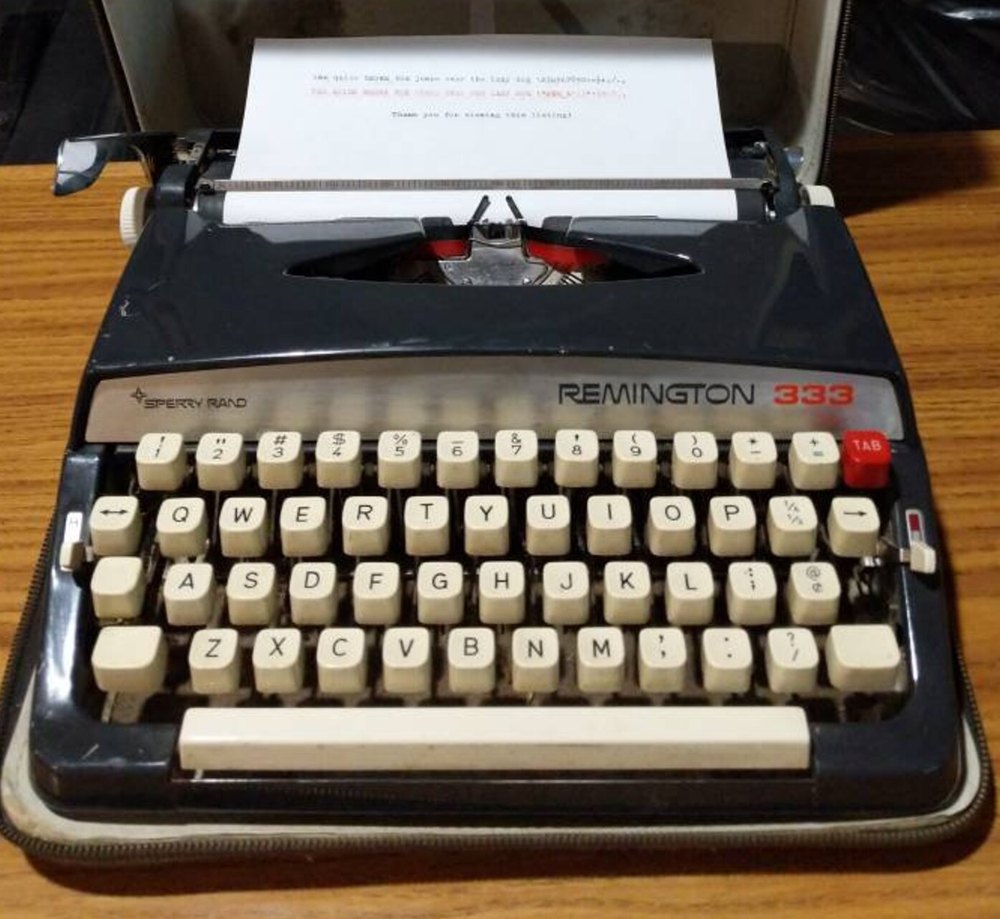
I am typing the transcript of my life.
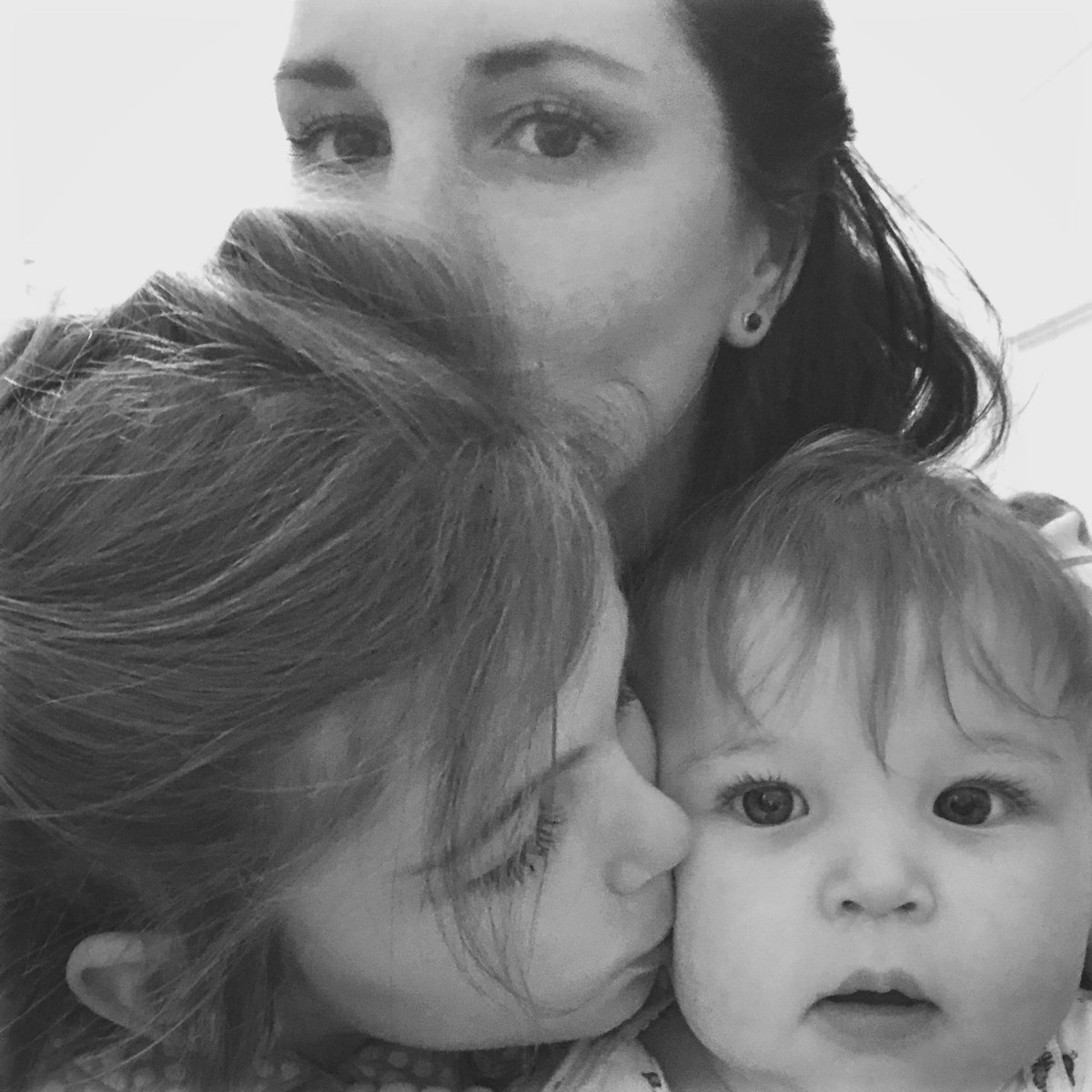
The warning assumed a most. It assumed you get to rank the things you love.